


Having a major medical procedure done is a huge achievement, but for the success of any surgical process, much depends on how things will go once you get out of the operating theatre. During the first few weeks back at home, there must be a very fine balance between getting enough rest, handling any pain and giving special care. To most families in Malaysia, juggling the work schedule and trying to give the patient 24-hour clinical and emotional care is very stressful indeed. Knowing the details about how the recovery process works will help ensure that there are no problems.

What is the difference between post operative care and post surgery care?
Although these two terms may be used interchangeably in conversations, they do have their differences in terms of clinical emphases based on your location within the recovery process.
Post operative care pertains only to the immediate care after surgery. It starts after you leave the post anaesthesia care unit (PACU) of the hospital and lasts until your discharge from the ward. Here, the main emphasis is medical monitoring, which includes monitoring the vital signs, pain management due to surgery, and early detection of any complications such as infection or deep vein thrombosis.
Whereas post surgery care is limited to the immediate period after the procedure, it is an extensive process involving more aspects than just physical wellbeing. Post surgery care comprises specific wound management, physical therapy, proper nutrition, and psychological motivation during several days or even weeks to come. True recovery is not only about having the wounds heal properly; it is also about building up one’s strength in a comfortable, relaxed atmosphere.
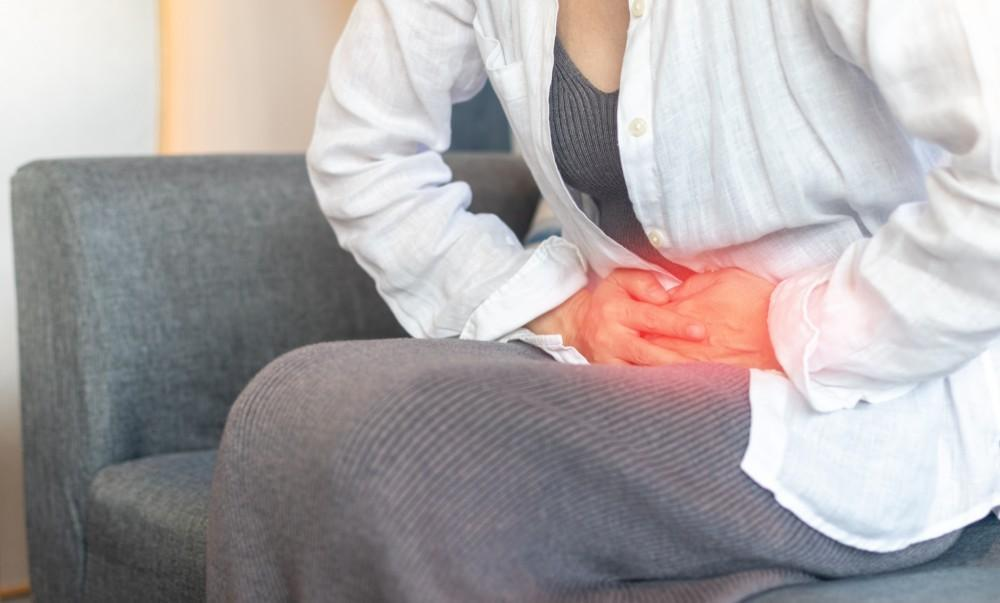
What is the gynecological meaning behind specialised recovery?
When talking about women-specific operations, examining the gynaecological aspect of personalised care sheds light on why one type of postoperative treatment cannot fit all cases. Gynaecological problems are directly associated with the woman’s reproductive system and complex surgeries like hysterectomy, fibroids removal or repair of the pelvic floor.
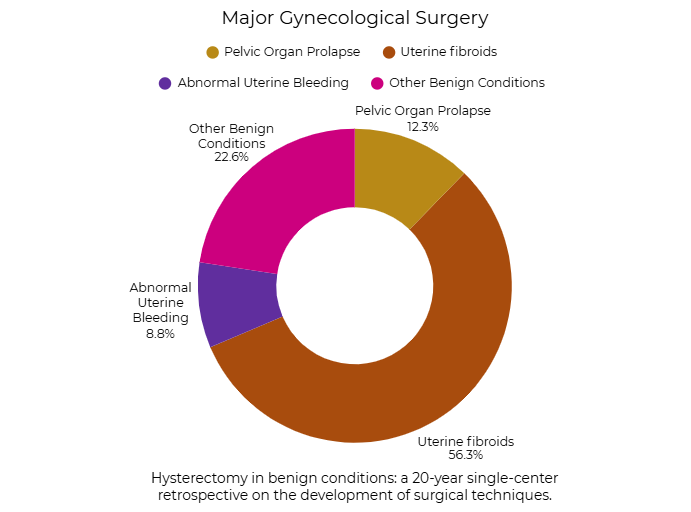
Findings from a study conducted by Brucker, S. Y., et al. (2022) indicate that uterine fibroids continue to be the most common cause of hysterectomy, contributing to more than 50% of all cases. Hysterectomies are usually carried out on women who are in their late forties, where the biggest number is seen among the 45–49 years group. Recent findings have shown that hysterectomy is still relevant in tertiary care facilities, emphasising the importance of individualised recovery plans for women’s needs.
Due to the fact that such surgeries include the penetration of deep pelvic tissues along with a delicate balance of hormones, the whole process of healing is absolutely unique. This mirrors the delicate restorative phase needed after childbirth, where dedicated post pregnancy care for mother is essential to help the body realign and heal. Women recovering after such procedures can face their own unique physical issues, which are deep core weakness, a particular diet to avoid the increase in pelvic pressure, and changes in emotional state as the body adapts. Traditional care programmes do not take into consideration such unique aspects.
What are the 4 stages of post-operative care?
Recovery normally entails several stages that must be undertaken effectively through appropriate changes in focus for proper healing process:
Phase 1: Active Monitoring (The Acute Phase): This happens purely inside the hospital; stabilization of the patient, anaesthesia effects and pain management are the focus here.
Phase 2: Transition and Early Movement: You start preparing for discharge and the attention turns to movement and making sure your body functions have gone back to normal; protecting the surgical area from damage.
Phase 3: Advanced Healing and Rehabilitation: At this advanced phase, proper post surgery treatment becomes important. At this stage, wound monitoring, scarring, diet and adequate rest become priorities for prevention of complications.
Phase 4: Complete Functional Recovery: The last phase involves the rebuilding of core muscles and restoring full independence as well as resumption of personal and work activities.

Why choose a women’s sanctuary for your recovery?
For many people, coming back home right away after a major surgery can prove to be stressful. Balancing one’s medication, preparing specialised meal, and taking care of the chores around the house can unintentionally become obstacles in the way of proper recovery. Just as new mothers benefit from the targeted, around-the-clock support of a post pregnancy care center, selecting a professional recovery centre for surgical procedures ensures that one does not skip any steps and makes a transition smoothly from the hospital to home.
Being in a boutique, resort-like environment means that one can recover properly by making use of the amenities offered there. High care staff-to-guest ratio will help ensure that all the work related to a guest’s recovery will be done by emphatic care staff. From customised, nutrient-dense menus designed to boost tissue regeneration to a serene atmosphere free from daily distractions, a specialised environment provides the peace of mind necessary to focus entirely on your health.
Begin Your Journey to Wellness
Complete recovery requires time, patience, and a conducive environment where your body can have time to relax. Have you or your dear one prepared for an upcoming surgery and looking forward to receiving the finest post-surgery recovery centre? You don’t have to worry; we are always here to help you out with all your needs during this vital moment of yours.
Our team is always here to assist you in your every need!
Contact Us If you wish to know more about our post-surgery packages or need to book a personal visit to our facility, get in touch with us.
📞 Phone / WhatsApp: +60127298110