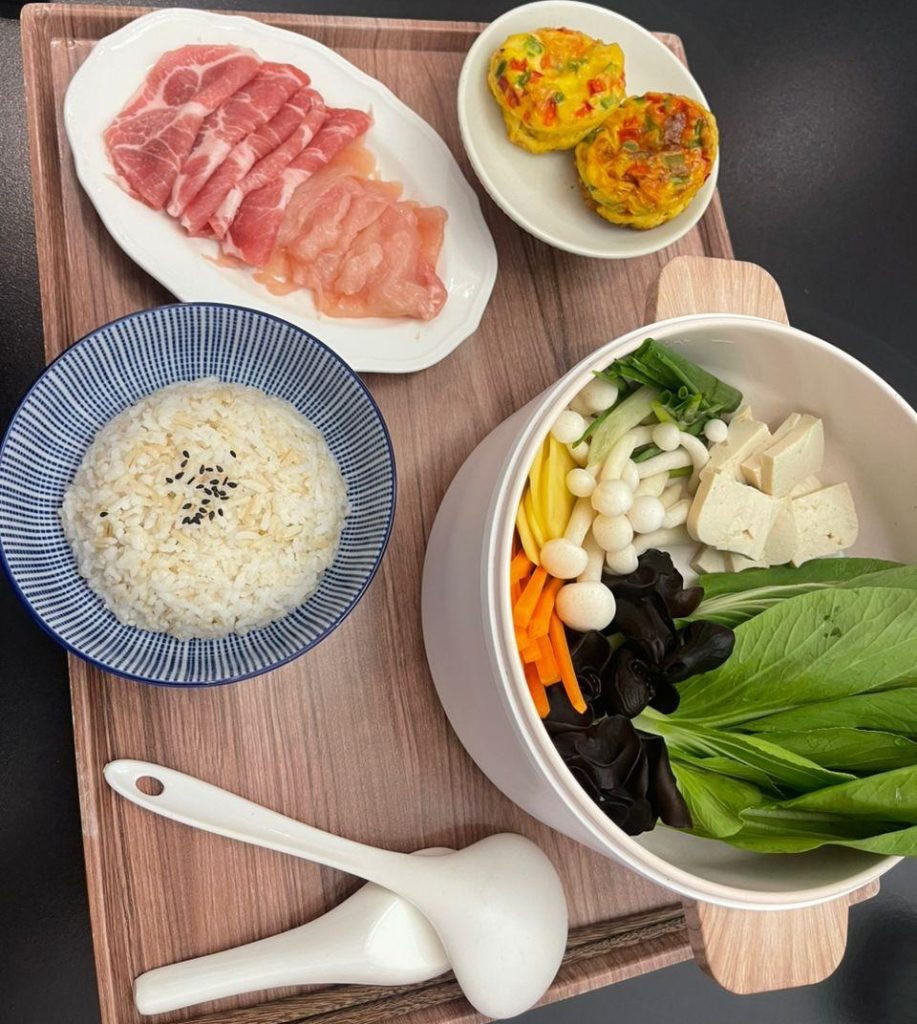
The Confinement Plate: Why Postnatal Nutrition is the Secret to a Happy Mummy
As we enter the final stretch of the third trimester, Malaysian mothers’ conversations change from discussing nursery decor to something more utilitarian: food. The confinement plate is not just another dish in Malaysian cuisine; it is tradition, prescription, and rite of passage for mothers who have given birth.
If you’re looking for confinement care in PJ or searching for the best confinement center in Klang Valley, you would have probably noticed that the menu has changed over time. No more bland crackers and lukewarm ginger water! These days, the best confinement centers in Malaysia are being gauged on their blend of traditional practices with modern-day nutrition knowledge, among other things.
The Philosophy of Healing Through Food
The primary goal of postnatal nutrition is to help the mother’s body recover from the incredible physical feat of childbirth. In a professional setting, this is approached through the lens of “warming” the body. After delivery, the body is believed to be in a “cold” state and highly susceptible to “wind.”
Ingredients such as old ginger, sesame oil, and black pepper, are not only for flavoring food but are also crucial for improving blood flow and uterine contraction. Confinement centres today are not limited to simple ginger and vinegar. When you look at the price of the package, you are not just paying for the room, you are essentially paying for a package that uses quality protein and herbs to help you recover from the inside out.
Modernising the “No-Nos”
Many of us grew up hearing the strict rules of pantang—no cold water, no raw vegetables, and certainly no “cooling” fruits. While these traditions are rooted in the idea of protecting the mother’s immunity, a strictly traditional diet can sometimes lack essential vitamins and fibre, leading to fatigue or the dreaded postnatal constipation.
The best confinement centre in PJ will respect these traditional “no-nos” while providing scientifically backed substitutions. Rather than removing greens, contemporary cooking methods lightly sauté fiber-dense greens with a touch of warming ginger and rice wine. This helps remove the cooling effects of the greens while providing new mothers the antioxidants and minerals they require to heal well. It’s all about being safe, respecting traditions, and providing nutrients.
The Science of Lactation and Recovery Stages
One of the biggest advantages of staying at a professional confinement centre in Petaling Jaya is the access to staged menus. Your body’s requirements change significantly over the 28 to 30 days of your stay.
Phase One (The Healing Phase): During this first week, the emphasis is on “clearing.” The food served is light and easily digested to help your body’s digestive system “wake up” after the ordeal of labour, while certain herbal soups are served to help clear lochia.
Phase Two (The Regulating Phase): It is during this period that you will notice a change in your menu to “boost” your milk supply, with more lactation-friendly foods such as green papaya, threadfin, and fenugreek.
Phase Three (The Nourishing Phase): As you approach your final weeks in the centre, this is when “tonics” are served. It is during this time that high-end ingredients such as fish maw or sea cucumber are served to ensure you are not drained after your stay, but actually rejuvenated.
The Role of Professional Tonics and Soups
Whether you are following Chinese, Malay, or Indian traditions, herbal tonics are the heartbeat of the kitchen. In the past, our mothers or mothers-in-law would spend hours over a charcoal stove brewing these. In a professional confinement centre in Malaysia, this process is streamlined but no less authentic.
From Sheng Hua Tang to aid blood flow to traditional Jamu or Ayurvedic broths, these are now often curated by qualified TCM practitioners or nutritionists. This professional input ensures that the herbs are balanced correctly—neither too “heaty” nor too weak—to ensure they are effective for your specific body type and recovery pace.
Why Quality Matters When You Survey
When parents ask about the best month confinement centre bookings or look for a reasonable package, they often focus on the room size. However, the quality of the kitchen is where your true recovery happens.
A good center also offers special menus for individuals with specific requirements, like gestational diabetics or vegetarians. Such personal attention makes a real recovery period stand out from a mere “holiday.” You want a place that understands that your happiness is the basis of your baby’s.
Final thoughts
Your choice of place for your first month as a new mom is an important consideration in your pregnancy journey. The “Confinement Plate” symbolizes the support structure you’re building for yourself. While you may have your heart set on a luxurious boutique resort or something more mid-range, it is important that their nutrition philosophy suits you best.
These twenty-eight days aren’t just about becoming a mother, but becoming a woman who feels nourished, respected, and renewed. You’ve done something incredible by bringing this child into the world, and you deserve the same kind of nurturing.
What is the one traditional confinement dish you absolutely crave, and which one would you happily skip? Let us know your thoughts in the comments below!